QR Code vs Barcode: What's the Difference (and Which Do You Need)?
QR codes and barcodes get lumped together constantly, and free "barcode generator" tools online often blur the line further by making both look like the same kind of thing. They're not — and using the wrong one for the wrong purpose is a common, avoidable mistake.
QR codes and barcodes get lumped together constantly, and free "barcode generator" tools online often blur the line further by making both look like the same kind of thing. They're not — and using the wrong one for the wrong purpose is a common, avoidable mistake.
The Core Difference
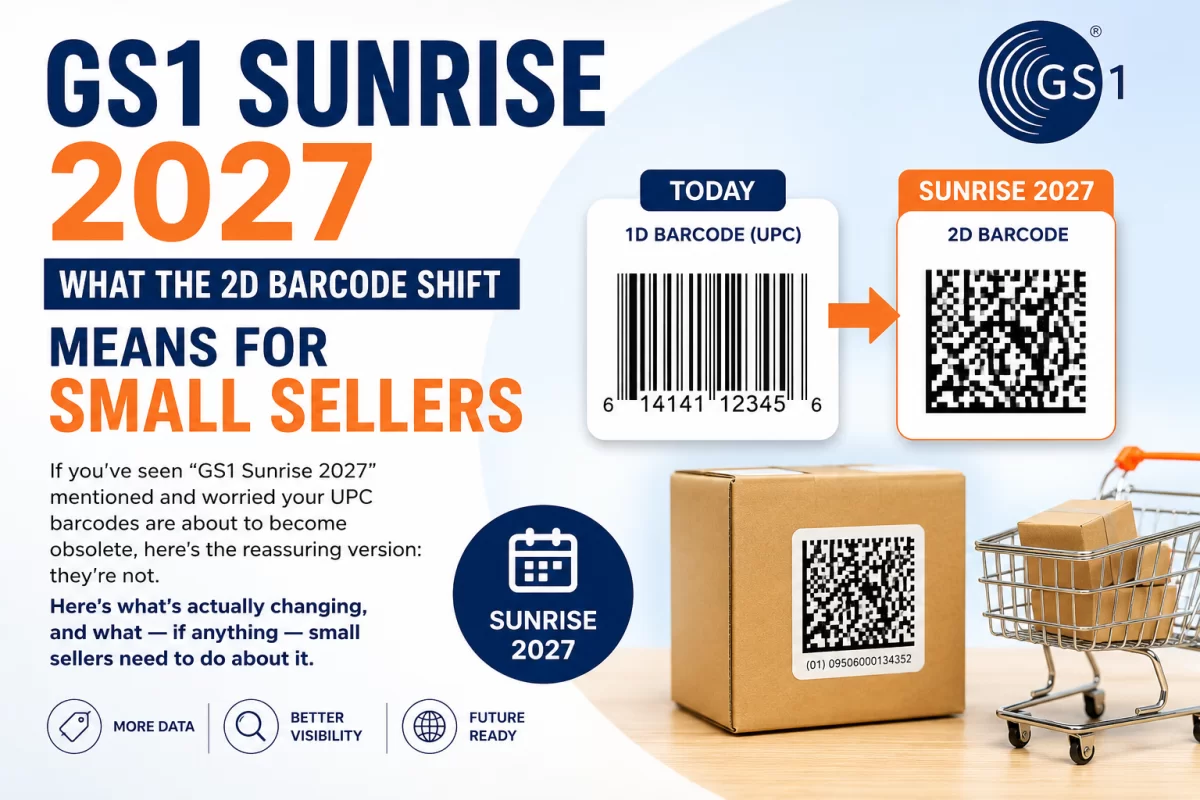
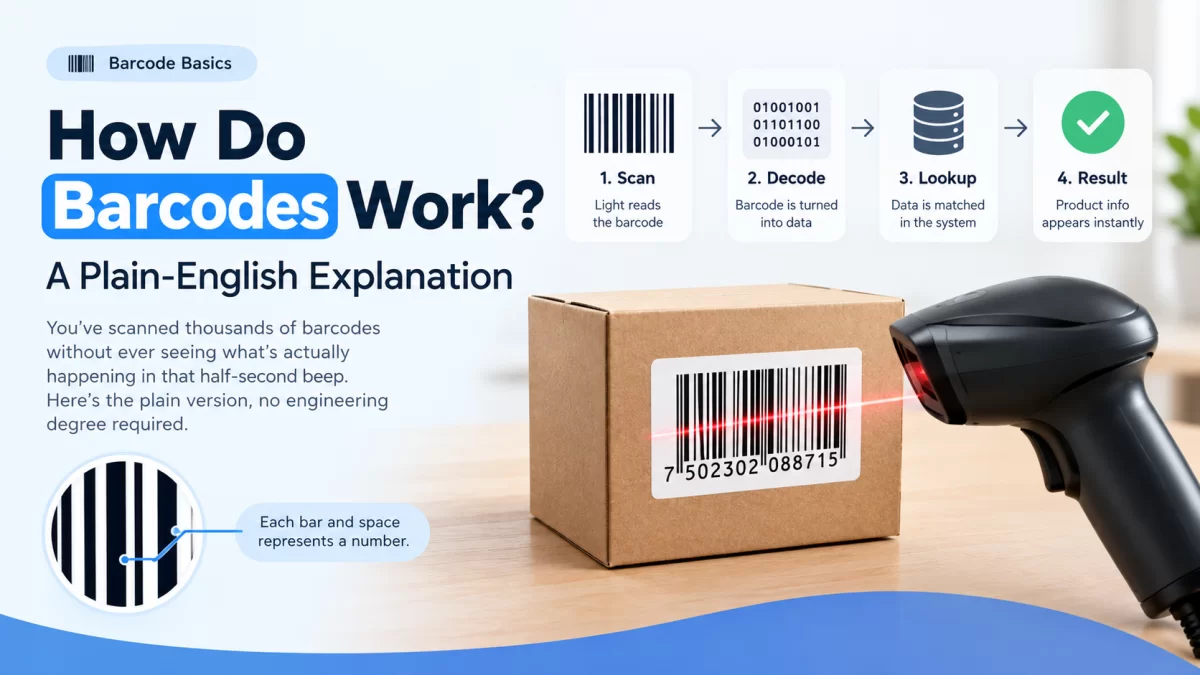
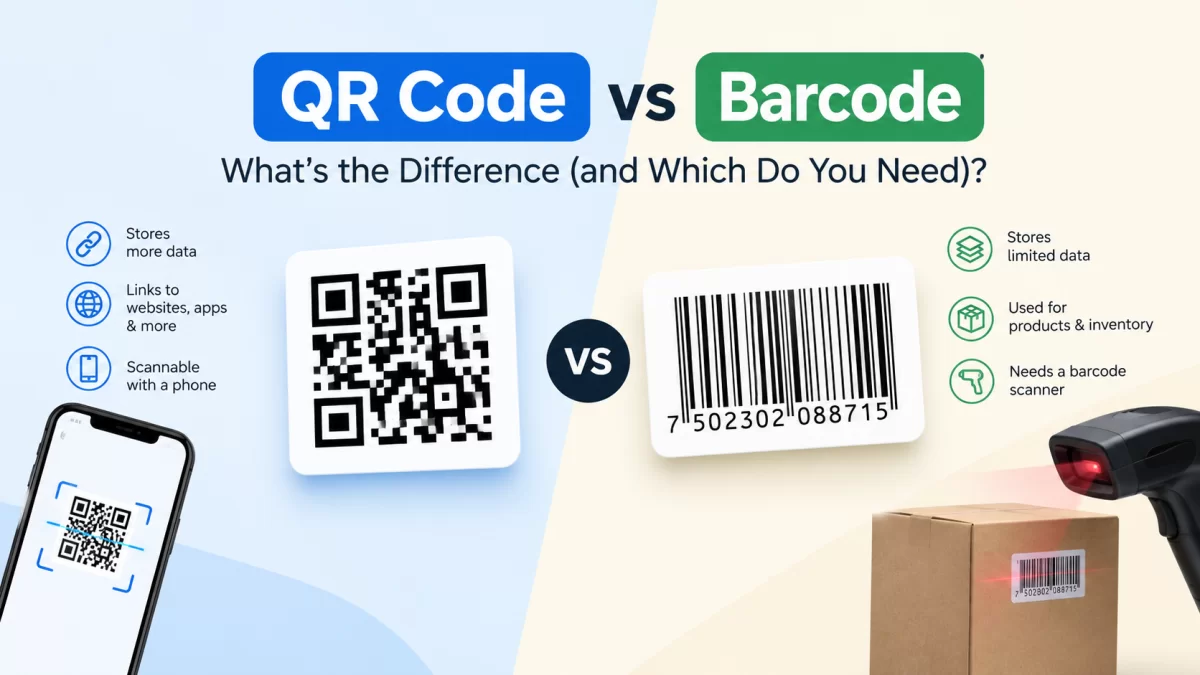
A traditional barcode (UPC/EAN) is a 1D, linear code — a series of vertical lines encoding a single number, typically 12 or 13 digits. A QR code is a 2D, grid-based code that can hold vastly more information: a full web address, contact details, or hundreds of characters of text, not just a short number.
What Each One Is Actually Built For
- UPC/EAN barcode: identifies a physical retail product for checkout scanning and inventory tracking. This is what marketplaces like Amazon and Walmart require for product listings.
- QR code: typically links a scan to digital content — a website, menu, video, payment page, or contact card. It's an engagement tool, not a retail product identifier.
Why You Might Need Both, Not Either/Or
These aren't competing options for the same job. A packaged product can carry a UPC for retail scanning and inventory and a QR code somewhere on the packaging linking to a recipe, brand story, or warranty registration — they serve completely different functions and commonly appear side by side.
A Common Mistake: Using a QR Code Where a UPC Is Required
Free "barcode generator" tools sometimes let you create a QR code and a UPC-style code from the same interface, which leads some sellers to assume they're interchangeable. They are not. Amazon, Walmart, and similar marketplaces specifically require a GS1-registered UPC or EAN in the GTIN field — a QR code will not satisfy that requirement, no matter how it's generated.
How to Decide Which One You Need
- Listing a physical product on a marketplace or retail shelf? You need a real UPC/EAN.
- Want customers to scan something on your packaging to reach a website, video, or menu? That's a QR code.
- Running a restaurant menu, an event check-in, or a marketing campaign? QR code.
- Not sure? If it needs to work at a cash register or in a marketplace catalog, it's a UPC question, not a QR question.
Frequently Asked Questions
Can a QR code replace a UPC on Amazon?
No. Amazon's GTIN field requires a valid, GS1-registered UPC or EAN — a QR code does not meet this requirement.
Can I put both a QR code and a UPC on the same product?
Yes, and many brands do — a UPC for retail/marketplace scanning, and a QR code elsewhere on the packaging for a website, story, or promotion.
Do QR codes expire?
A static QR code (one that encodes fixed information directly) doesn't expire. A dynamic QR code that redirects through a third-party service can stop working if that service is discontinued or the subscription lapses.
Is a QR code free to make while a UPC costs money?
Generally yes — QR codes can be created for free since they just encode information you provide. A UPC has a cost because it's a registered, globally unique number issued through the GS1 system.
Ready to get your barcode? Buy GS1-certified barcodes here →